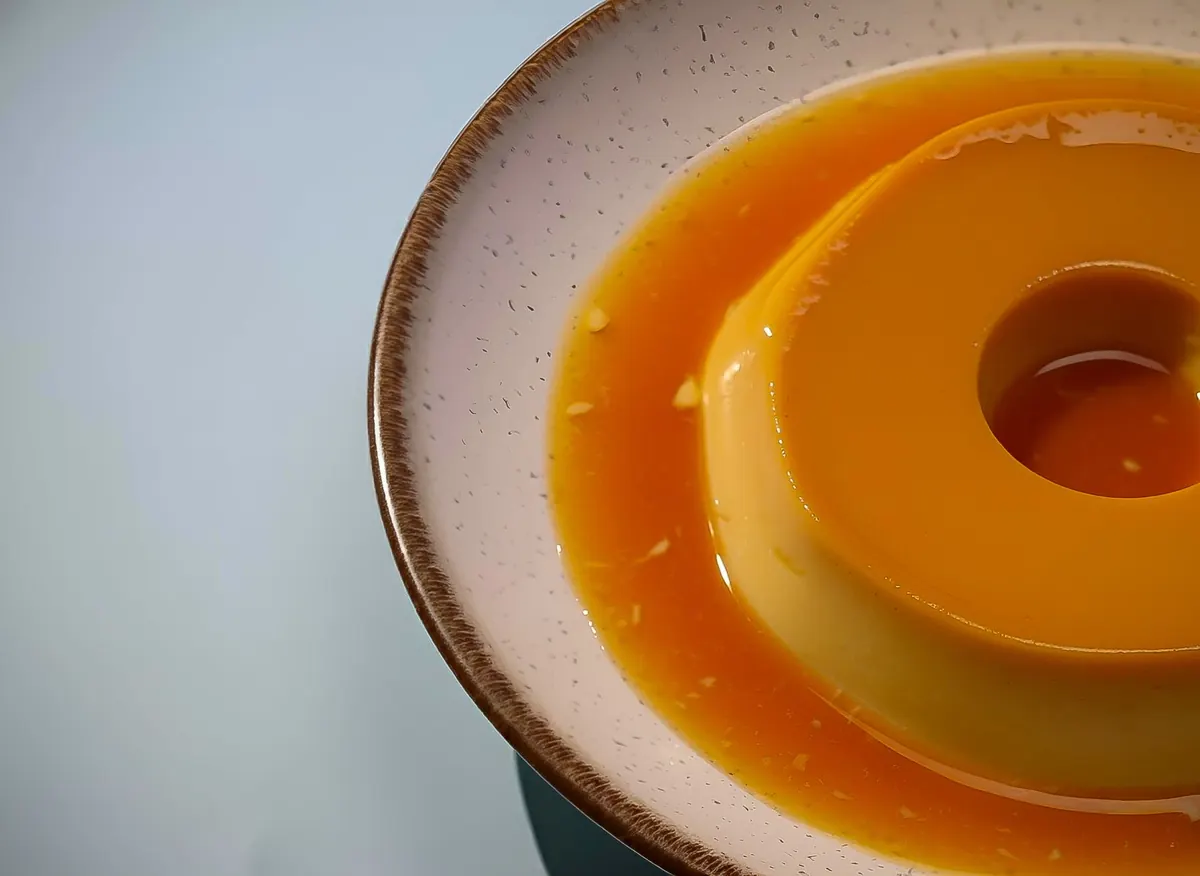
Custard vs. Pudding: Texture, Serving, and Decorating Differences
Ask for pudding in a London pub and you may get a warm sponge cake with a jug of custard beside it. Ask for pudding in an Ohio diner and you get a small bowl of cool, silky chocolate. Same word, two different desserts. Custard sits somewhere in the middle, related to both, and the distinction matters the moment you start decorating: a dessert that barely holds its shape needs very different handling from one you can unmold onto a plate and pipe.
Two Words, Two Traditions
In the United States, pudding usually means a cooked milk dessert thickened with cornstarch, flour, tapioca or eggs, then chilled until spoonable. In Britain and much of the Commonwealth, pudding is a general word for dessert, and it also names specific baked and steamed dishes: sticky toffee pudding, Christmas pudding, blackberry-and-apple pudding. British custard, meanwhile, is most often the pouring sauce you ladle over those puddings.
Custard itself is a simple equation: milk or cream, egg yolks, sugar, sometimes vanilla. Cook it gently and stop early and you have a sauce. Bake it in a water bath and it sets into a sliceable dessert — crème brûlée, flan, custard tart, pots de crème. Some desserts borrow from both worlds: pastry cream is a custard thickened with starch so it can be piped, and a baked rice pudding is custard with grains suspended in it.
What Actually Sets Each One
Egg-set custard
Custard thickens because egg proteins unwind and link up as they heat. That network is delicate. A few degrees too hot and the proteins squeeze out liquid, which is why overcooked custard turns grainy and weeps into a puddle. Set custard is dense, smooth and coating on the tongue, with a slight wobble when you tap the ramekin. It slices cleanly when cold but collapses if you push it around too much.
Starch-set pudding
Pudding thickens because starch granules absorb liquid and swell. The result is softer and more elastic than an egg-set custard, and its firmness is entirely in your control: more cornstarch, firmer pudding. It can be poured into molds, cut into squares, spooned into glasses or piped into shapes. This is the practical advantage that makes pudding easier to decorate.
How They Behave on the Plate
Temperature changes everything. Baked custards are served cold or just cool, and their surfaces are glossy, moist and prone to a rubbery skin if left uncovered. Warm custard sauce is poured, not plated, so decoration happens in the jug or on top of whatever it covers.
Pudding is almost always served cold, and its surface is matte and slightly tacky — a good grip for toppings. It holds an edge, so it can be unmolded, stacked in layers or pressed into a mold with a crust. Practically speaking, pudding gives you structure; custard gives you richness and a fragile, mirror-like top that asks for light touches.
Decorating Custard
Keep the surface clean and the garnish minimal. Custard is usually the star already, and heavy decoration sinks into it or slides off. Aim for contrast in texture, not volume.
- Torch a sugar crust. Dust the chilled surface with a thin, even layer of sugar and caramelize it just before serving. Any earlier and the crust softens into syrup.
- Use cut fruit, not wet fruit. Raspberries, sliced figs, cherries and mandarin segments sit on top without bleeding. Pat them dry first.
- Dust through a stencil. Cocoa, cinnamon or powdered sugar over a paper cutout gives a clean pattern on the pale surface.
- Add a small quenelle of whipped cream. One neat spoonful beside the custard reads better than a piped swirl that slowly sinks.
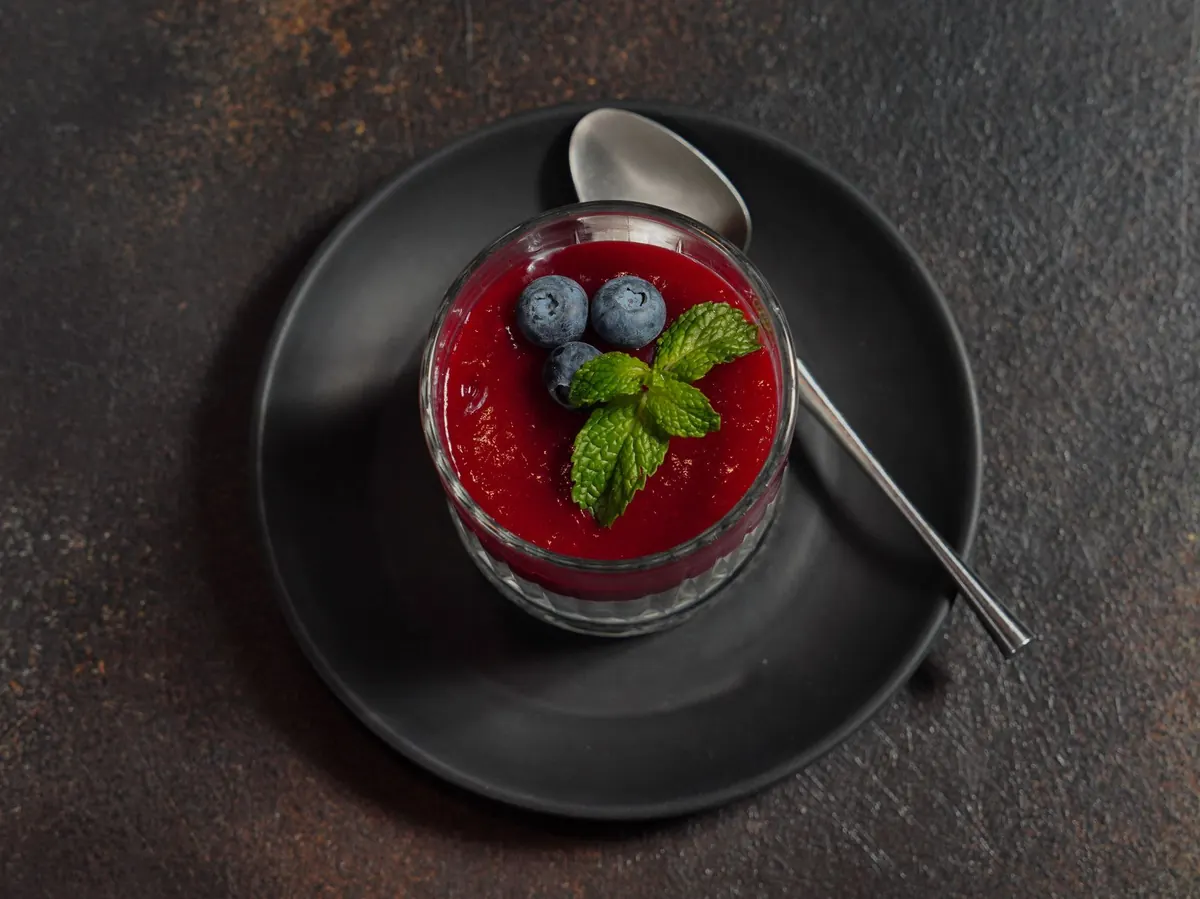
- Finish with a thin drizzle. Caramel, chocolate sauce or a fruit coulis applied with a spoon in quick strokes, not a flood.
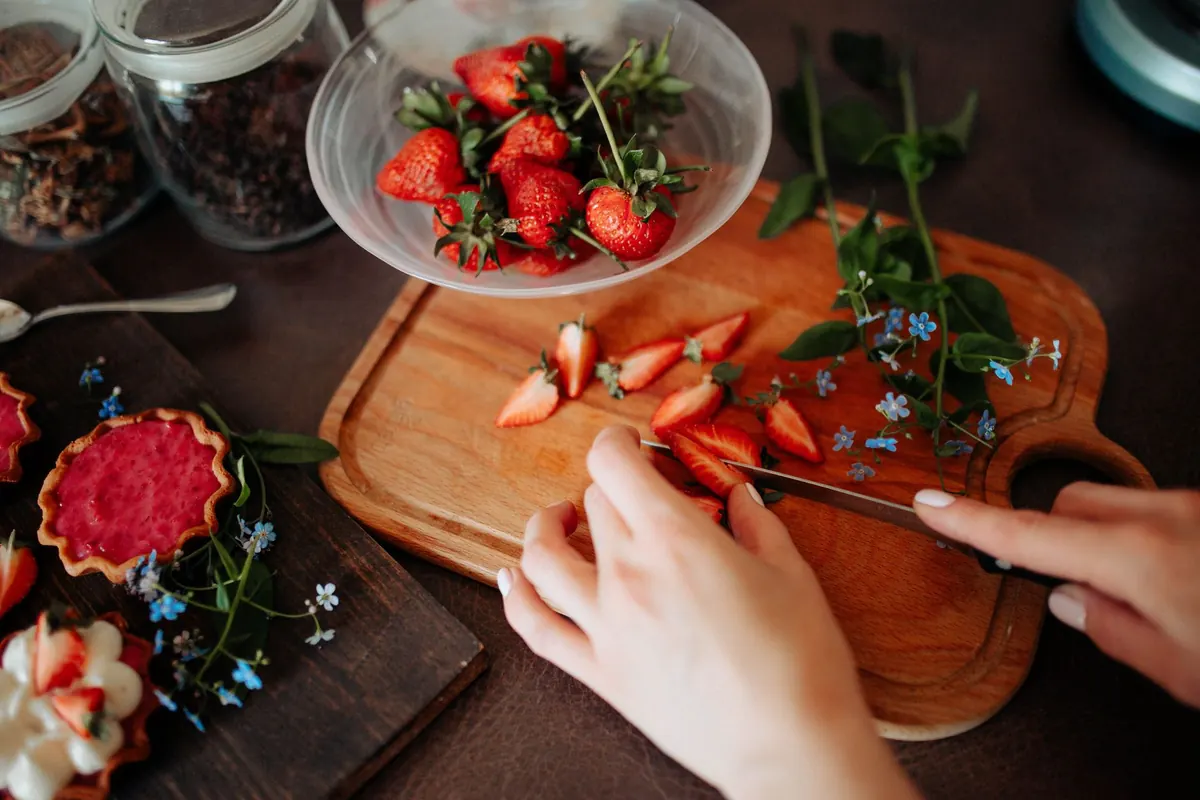
- Try a single edible flower or a mint sprig for color, placed slightly off-center.
What to skip on custard
Avoid crushed cookies, thick frostings and anything that needs to be pressed down to stay put. Skip decorations that need hours in the fridge — a long chill pulls moisture to the surface and turns cocoa powder damp and streaky. Garnish within the last hour, and caramelize sugar at the very last minute.
Decorating Pudding
Pudding lets you build. Because it firms up in the fridge, you can treat it almost like a cake layer: spread, pipe and stack.
- Chill the pudding completely, at least four hours, until it is fully set. A half-set pudding slumps when you unmold it.
- If you plan to turn it out, run a thin knife or a warm damp cloth around the rim, then invert onto the plate in one confident motion. Don't shake it.
- Blot any condensation from the plate before decorating, or your toppings will slide.
- Apply toppings from largest to smallest: fruit and cookies first, then nuts or coconut, then a final dusting.
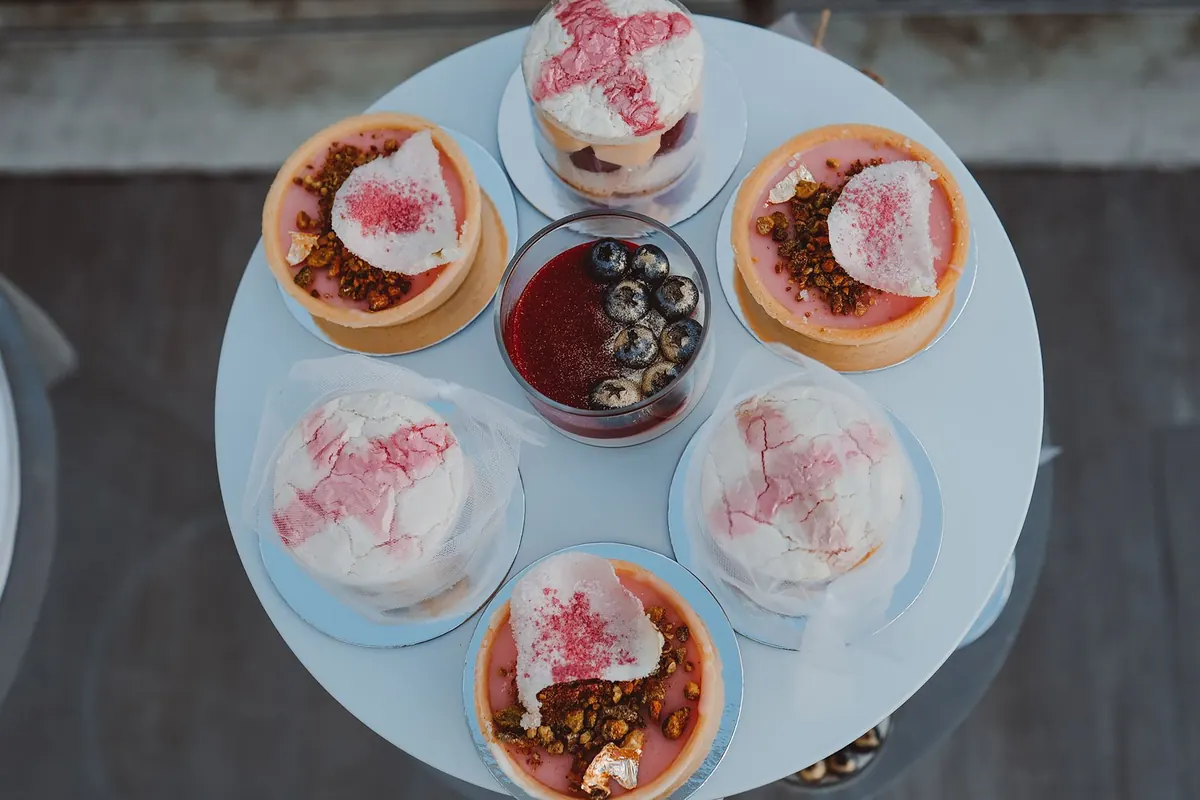
- For layered puddings in glasses, alternate pudding with crumbled cake, cookie pieces, fruit or jam so the decoration shows through the side.
Good toppings for pudding include whipped cream, chocolate shavings, toasted coconut, crushed gingersnaps or shortbread, chopped toasted nuts, fresh berries, sliced banana brushed with lemon, and a pool of sauce poured around the base rather than over the top. Piping pudding into small glasses and leveling the surface with an offset spatula gives you a flat canvas for patterns.
Common Mistakes
The most frequent problem is decorating too early. Custard skins over; whipped cream deflates; fruit releases juice. The second is overloading a delicate dessert because it looked plain on the plate — one strong element beats five competing ones. The third is temperature: pudding decorated straight from a warm pot will sweat and slide.
If a custard has already curdled or wept, don't try to decorate around it. Strain it, blend it smooth or turn it into a sauce, and serve it in a dish rather than on a plate.
A Short Checklist Before You Decorate
Decide first whether you're working with an egg-set custard or a starch-set pudding, because that single question determines how much weight your topping can carry. Chill fully. Blot moisture. Choose one focal garnish and one supporting texture. Keep wet ingredients off custard until serving time, and keep a small offset spatula and a fine sieve nearby — they handle almost every finishing job. Then serve soon, while the surface is still neat and the cream still holds its edge.
Photo: Nascimento Jr. / Pexels